Living Walls as a New Asset Class in Commercial Real Estate
Posted: January 28, 2026 by Coldwell Banker McMahan
It is often said that real estate is the most surefire asset out there.
Given that shelter is one of our basic human needs, it is hard to argue against this point.
With that said, no two pieces of real estate are ever the same in terms of investment value. In fact, many fixer-uppers turn into money pits that are more trouble than they are worth.
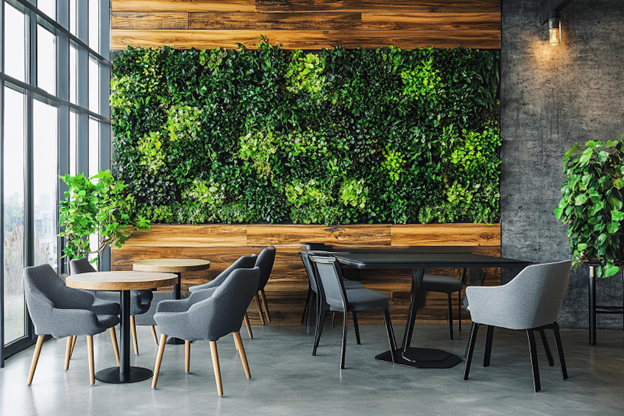
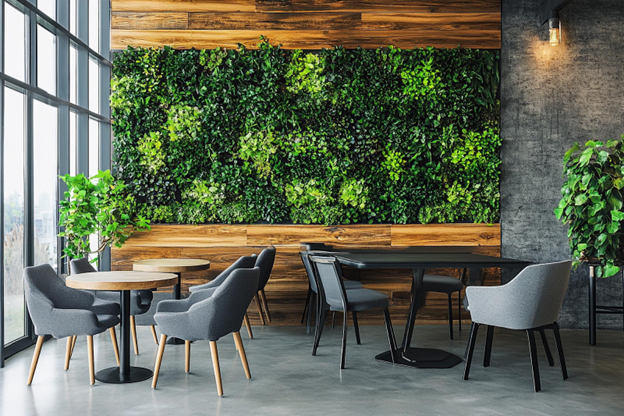
At CB McMahan, our passion lies in connecting our clients with the latest insights and thought leadership to help their properties standout in a competitive Louisville market. In this vein, it is worthwhile to take a look at the role of living walls in commercial real estate design. No longer a quaint aesthetic feature, living walls are proving to be an asset in and of themselves. Keep reading for more on how these “vertical gardens” are yielding unique benefits to property owners in the region.
Tenant Appeal
When it comes to commercial real estate, occupancy is the name of the game. It’s all about creating an environment that tenants are willing to pay to call home.
Given the strength of the biophilic design movement, living walls are one of the best ideas for attracting and retaining tenants. Now more than ever, people understand the importance of being connected to nature.
Wellness and Productivity

Expanding on biophilic design: there are countless studies showing the positive association between connectedness to nature and wellness. It lowers stress. It enhances cognitive function. It reduces optical strain.
As such, living walls are a win-win for a commercial structure. From the tenant’s perspective, you feel better. From the business owner’s vantage point, living walls are likely to improve the focus and productivity of team members.
Improved Branding (ESG)
Perhaps you are familiar with the term “greenwashing.”
It is a deceptive marketing tactic rampant throughout our economy. Essentially, companies will make false, misleading, or otherwise specious claims to make their products or operations appear more environmentally friendly than they actually are.
Why would businesses do this and risk ruining their reputation via a sustainability audit?
Well, the bottom line is that environmental, social, and governance (ESG) is big business in 2026. It’s a bad look to be lagging behind competitions in the realm of sustainability. Consumers want to support those businesses who are doing their part to ensure the health of the planet for future generations. Tightening government regulations will penalize those who don’t.
By incorporating living walls into a commercial building project, there is no need to resort to greenwashing tactics. The proof is in the pudding. Occupants don’t have to read product specifications or trust marketing claims purporting environmental friendliness. They can see and experience it for themselves. A living moss wall, for example, is a visually-striking, low-water option that provides natural insulation. It stimulates oxygen flow throughout the interior while absorbing VOCs and other airborne toxins, creating better indoor air quality.
Enhanced Acoustics

Acoustics are a big thing in contemporary design.
Given the increasing prevalence of mixed-use spaces and the need for tranquility to conduct remote work meetings and/or create “shareable” social media content, acoustic quality has never been more important.
Many traditional types of sound absorption found in commercial spaces are utilitarian--to put it nicely. Drop-ceiling insulation. Foam panels. Fold-away cubicle partitions.
Living walls are an elegant solution that puts all of these methods to shame. The growing medium (soil, hydroponics) are incredibly effective at absorbing sound energy. Meanwhile, the irregular shape of leaves and stems scatter wound waves, limiting the amount of echo in the building’s interior. Due to the diversity of matter found in a living wall, research shows that they are effective at blocking a wide range of frequencies. Traditional sound-proofing materials, conversely, typically perform well against a more limited frequency range.
Differentiation
If there ever was appeal to the cookie-cutter commercial office, it is safe to say it is a relic of a bygone era.
Today, the focus is on creating commercial architecture that tells a story. There is no greater way to accomplish this than through a living wall. They speak loudly to the company’s commitment to social responsibility. Moreover, no two vertical gardens will ever be exactly the same. This helps position the building as modern and innovative, helping it stand out in a competitive real estate market.
Direct Value of Living Assets in a Property

As you have gathered, living walls can do wonders for attracting tenants. They can drive occupancy rates. They help the commercial property stand out.
However, if these benefits feel a bit too subjective for your taste, let’s take a look at few “direct” economic benefits:
- Property value increases - some studies have indicated that living walls can boost the resale value of a commercial building by as much as 15%
- Energy savings - due to their elite insulation, living walls can significantly reduce A/C consumption in warm cities
- Tax benefits - many local governments offer tax breaks and subsidies for buildings that implement living walls
- Lower maintenance - in areas that receive ample sun, exterior living walls will not break down in the face of UV rays like traditional facade products
Beyond Aesthetics: Financial Role of Living Walls in Commercial Real Estate
Living walls have moved past the point of being a natural, aesthetic focal point for a structure. They are now an asset in their own right. Whether it be through increased tenant appeal or enhanced productivity/wellness of occupants, living walls are yielding real financial benefits in the contemporary commercial real estate sector. For more of the latest real estate trends in the Louisville region, explore the content at Coldwell Banker McMahan for ideas and inspiration today!


